
Питання на інтервʼю з детальним поясненням
База запитань із технічними поясненнями та розбором того, як краще відповідати, а також статті про бекенд, cloud та AI.
Детальний розбір запитань на інтервʼю
Не суха теорія, яку можна запитати в ChatGPT. До кожного запитання я розписав, як відповідати так, щоб пройти інтервʼю, і які суміжні теми варто зачепити, щоб повести розмову у вигідне для вас русло.
Перейти до бази запитань- Яка різниця між type i interface в TypeScript?Це часте запитання на інтервʼю, особливо на Junior i Middle позиції. В цілому, те, що зазвичай хочуть почути на інтервʼю - це merge інтерфейсів. Розберемо на прикладі: interface IUser { name: string; email: string; }…
- Як працює LEFT JOIN?LEFT JOIN - це тип JOIN, який повертає всі рядки з лівої таблиці, навіть якщо у правій таблиці немає відповідних збігів. Якщо збіг у правій таблиці є - дані з неї додаються а якщо збігу немає - замість значень з правої…
- Як можна визначити складність алгоритму?Найперше, розберемось з тим що таке складність алгоритму. Це спосіб оцінити, скільки ресурсів алгоритм споживає в залежності від розміру вхідних даних. Існує два способи, щоб виміряти складність алгоритму. Time…
- Що таке ідемпотентність?Отже, почнемо з визначення того, що таке ідемпотентність. Це концепція, яка гарантує, що багаторазове повторення дає той самий ефект, як і одноразове. Найчастіше це запитання звучить в контексті розмови про дизайн REST…
Квізи
Усі квізи →Перевір себе на свіжих квізах: до кожної відповіді є пояснення, чому вона правильна.
 ПочатковийБез реєстрації
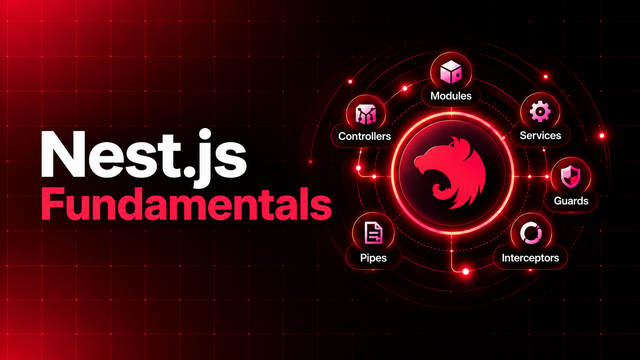
Nest.js Fundamentals
Квіз початкового рівня про концепти й архітектурні принципи, які використовують у NestJS: Dependency Injection, модулі, інкапсуляцію, DTO, Repository та обробку HTTP-запитів. Допоможе перевірити розуміння відповідальності компонентів, керування залежностями та організації застосунку.
15 питань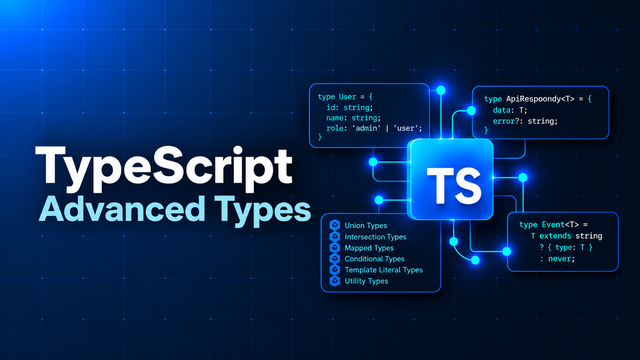 СереднійБез реєстрації
TypeScript - advanced types
Квіз середнього рівня про просунуті можливості TypeScript: unknown і never, type narrowing, discriminated unions, generics, utility types, infer, satisfies, mixins, декоратори та reflect-metadata. Допоможе перевірити, наскільки впевнено ви працюєте з системою типів поза базовими анотаціями, і визначити теми, які варто розібрати глибше.
15 питаньTypeScript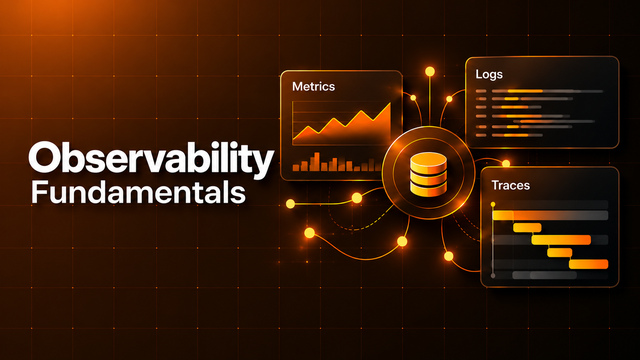 ПочатковийБез реєстрації
Observability Fundamentals
Квіз про основи Observability: логи, метрики, distributed tracing, spans, передавання контексту, OpenTelemetry, sampling, SLI/SLO та алерти. Запитання перевіряють розуміння базових понять і принципів без привʼязки до конкретного технологічного стеку. Квіз допоможе тим, хто починає вивчати Observability, визначити, які теми варто опанувати.
15 питаньObservability
Нещодавно додані
Усі статті →- ЗапитанняЩо таке Idempotency Key?Доволі часто на технічних інтервʼю, коли мова заходить про розподілені системи, можна почути питання про такий патерн, як Idempotency. Якщо…
- ЗапитанняЩо таке Rate limiting?Запитання про Rate Limiting можна почути як на звичайній технічній співбесіді, так і на System Design інтерв’ю. Уявіть, що ви розробляєте AP…
- ЗапитанняЩо таке Tokens в LLM?Tokens - це базові одиниці тексту, з якими працює LLM. Модель не читає текст як слова у людському сенсі. Перед обробкою текст проходить чере…
- ЗапитанняЩо таке Embeddings?Embeddings - це векторне представлення неструктурованих даних, наприклад тексту, у вигляді числового вектора фіксованої довжини. Такий векто…
- ЗапитанняЩо таке Triggers в базах даних?Triggers у базах даних - це спеціальні процедури, які автоматично виконуються у відповідь на певну подію (INSERT, UPDATE, DELETE) в таблиці…
- ЗапитанняПоясни різницю між short-term i long-term memoryЦе запитання часто звучить на співбесідах на позицію AI Engineer, особливо в продуктах, які працюють з Agentic-системами. Відразу варто наго…
- НовинаClaude Code Security: AI-інструмент для пошуку вразливостей і патчів у кодіAnthropic представила Claude Code Security - режим у Claude Code, який перевіряє репозиторії на серйозні вразливості та пропонує готові випр…
- НовинаNestJS готує v12: ESM за замовчуванням, Vitest замість Jest і валідація через Standard SchemaУ NestJS з’явився публічний план мажорного релізу v12.0.0, який очікують на початку Q3 2026. Головна зміна - поступовий перехід усіх пакетів…
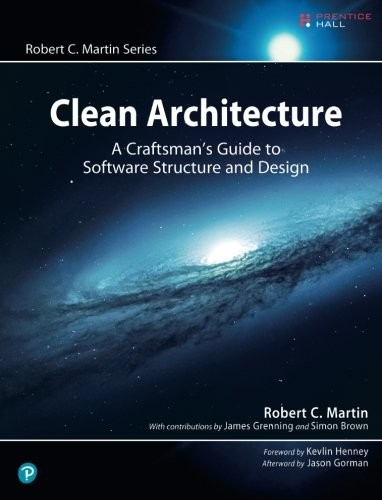
Книги, які варто прочитати
Усі книги →Добірка книг, які лишаються корисними навіть тоді, коли код пише AI.


YouTube
Короткі, практичні відео про співбесіди, бекенд, фронтенд, хмари та карʼєрне зростання.
Потрібна допомога 1:1?
Менторство, мок-інтервʼю та план розвитку, побудований під те, де ви зараз насправді є.